
A Bit on Cucurbits
My favorite plant family, hands down.

I have not yet gotten around to planting my watermelons. I’ll admit that I’m disappointed that I haven’t done it yet, but I’m not going to let myself feel too bad. This summer has been a bit busier early on than I had anticipated, and as we get into the full swing of the season I imagine it will only become busier. Because of this, I’m going to drop down to one newsletter a week—that way I have more time for planting, testing, and writing. Never fear! There will still be plenty of gardening content to sink your teeth into, but feel free to reach out if you have any specific questions or topics you’d like to see covered.
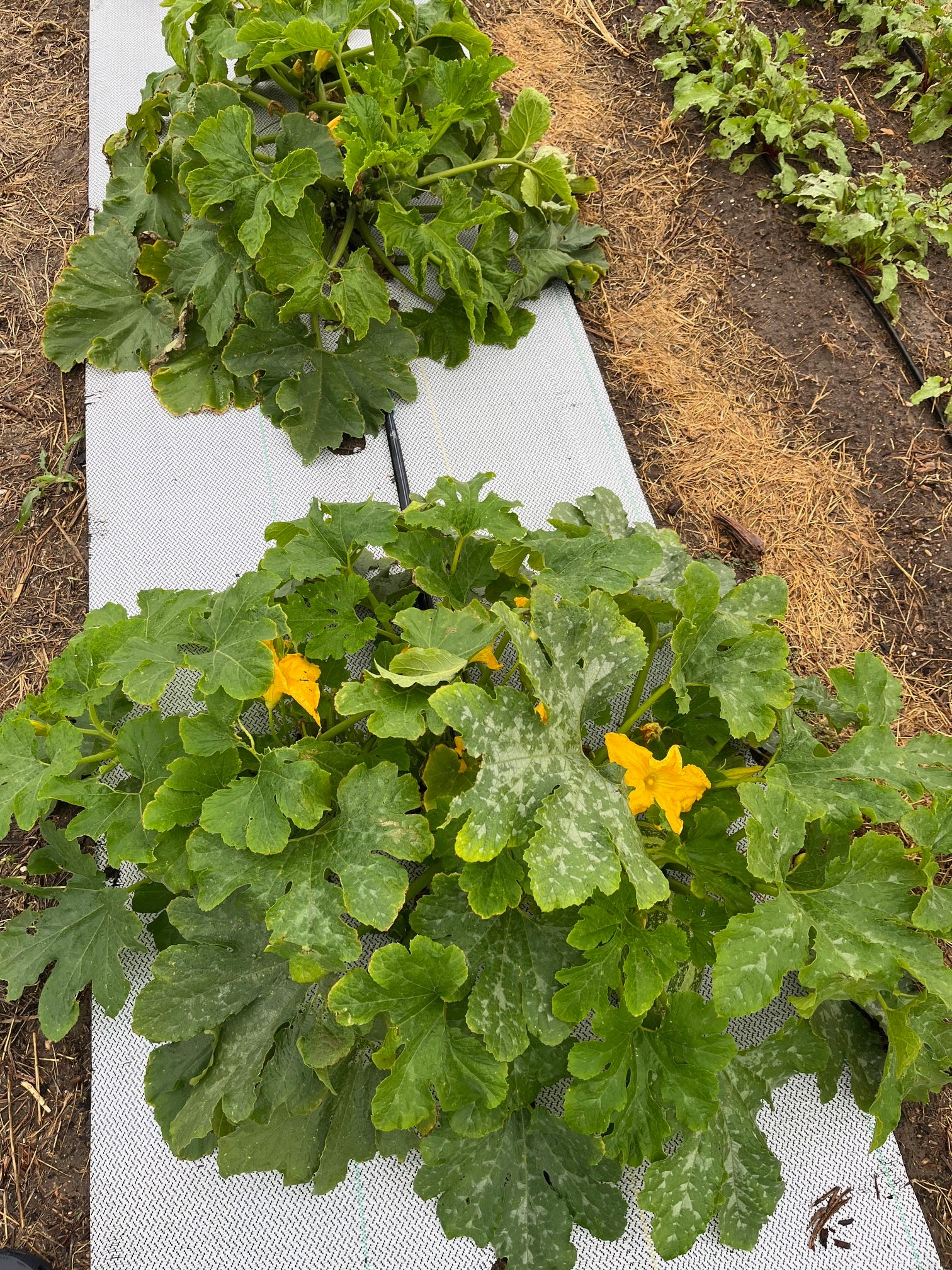
Anyways, as promised, here’s a bit of information on cucurbits. First and foremost: what are they? Cucurbits are any plants in the family Cucurbitaceae, which includes cucumbers (to nobody’s surprise, I’m sure), winter and summer squash, pumpkins, watermelons, and other melons. These fruits—yes, all of them are fruits—are botanically classified as pepos. A pepo is a specialized berry exclusive to the cucurbit family, characterized by a tough, hardened rind and a fleshy interior, typically containing many seeds.
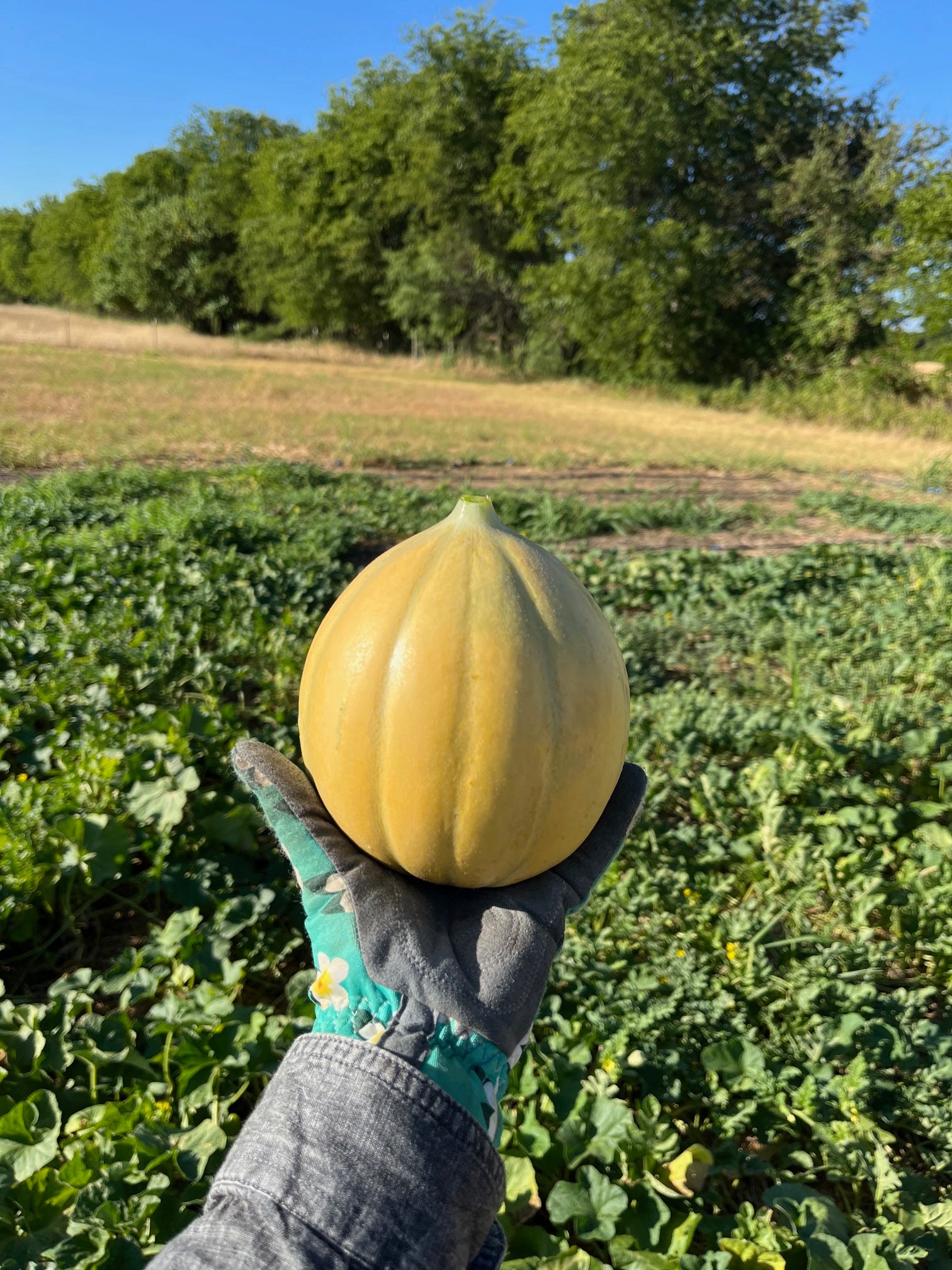
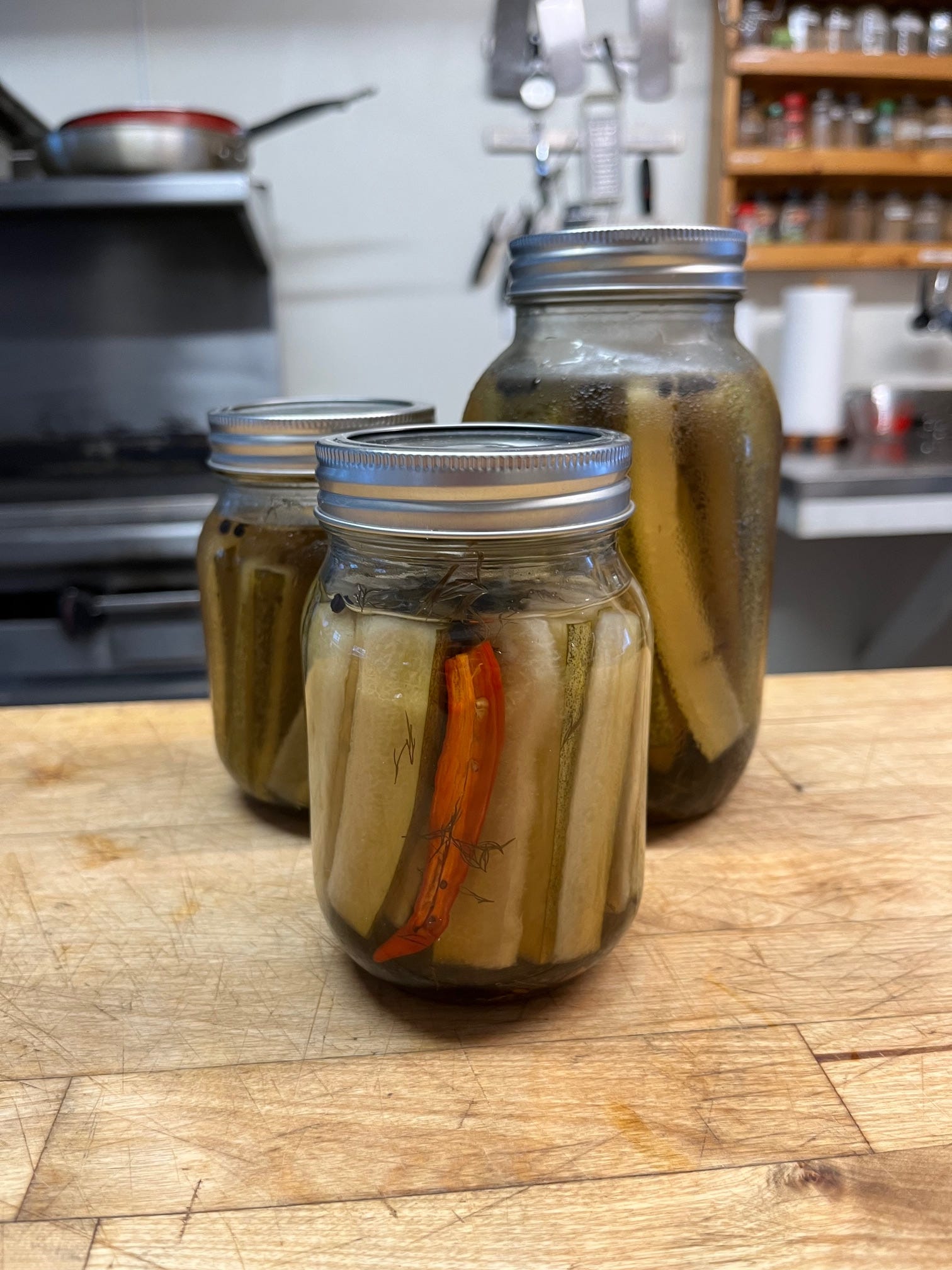
The melon family, encompassing roughly 1,000 species worldwide, has served many people and purposes across the globe. In the United States, we take advantage of the refreshing sweetness of watermelon in the summertime, cucumbers for pickling, and pumpkins for carving and pie in the fall. Aside from the fruits, squash blossoms are a popular food in Mexican and Italian cuisine. They are often stuffed with savory fillings and fried but can be used in soups and salads as well. In many parts of the world, the calabash squash is hollowed, dried, and filled with water or other beverages, giving it the nickname “water bottle gourd”. You may have even seen these sold as birdhouses at your local farmers’ market!
More than consumption, there are also skincare and hygiene applications for some plants in the melon family. On top of being exceptionally hydrating, cucumber and watermelon are regarded as being anti-inflammatory and are often incorporated in skincare products. Pumpkin seed oil is a useful product for hydration and supporting collagen production, also known as anti-aging properties, as well as disease prevention. You may also be familiar with the loofah gourd, native to south and southeast Asia, that is dried and harvested for its exfoliating capabilities. In addition to the contemporary uses for cucurbits, they have played a vital role in traditional Ayurvedic medicine. From natural sponges to soothing DIY cucumber eye masks, cucurbits don’t just nourish us—they offer simple, refreshing ways to unwind, proving their usefulness stretches beyond the garden.
Cucurbits have wormed their way into our daily lives by being delicious, functional, and fun to grow. They’re great plants for novice and seasoned gardeners alike, providing plentiful opportunities to try new varieties and recipes, as well as sharing with neighbors (aka ditching 7 zucchinis on their porch without a word). Are you planting any cucurbits this year that are new to you? I’d love to hear about them!
Thank you for all of the fascinating info! I am growing pickling cucumbers this year. I forgot about them for a week and came back to find several gigantic cucumbers! I ate them faster than expected (they were so crisp and delicious) and am looking forward to more. Might even have a pickle party!